“Not only does one drink wine, but one inhales it, tastes it – and then talks about it.” A quote from King Edward VII.These days you can go one step further and write about and blog about it. Much has been written about wine and much will continue to be written about wine and all its seductive qualities.This is my humble attempt to share in all the tasting and talking. A toast to all you tasters out there!!


Not satisfied with the flavor of your beef?

As if we needed another reason to drink a glass of wine, researchers have found yet another beneficial effect of consuming red wine.

Just when screwcaps' march across the wine world seemed unstoppable ( stopperable..get it?) cork is fighting back. Before I get into that, glass stoppers seem to be on an invasion all of their own into the closure battle and doing well. But cork enthusiasts received a little boost when the Australian Wine Research Institute released test results confirming the Australian membrane cork"ProCork" is the best performing wine bottle closure.The study revealed that the lack of permeability of screwcap closures makes wine susceptible to a chemical reaction known as reduction. During intervals of 12, 18, 24, 30 and 36 months, ProCork outperformed other closures, in its ability to retain and enhance the quality of wine.
So for now, I won't put my favourite corkscrew away just yet. How long before we will have the next best closure making its debut? I think while I am pondering that, I will have a glass of wine, red wine of course. It feels like fall and there is a chill in the air.
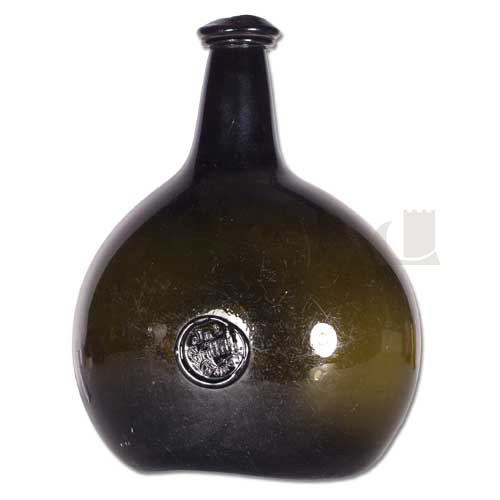
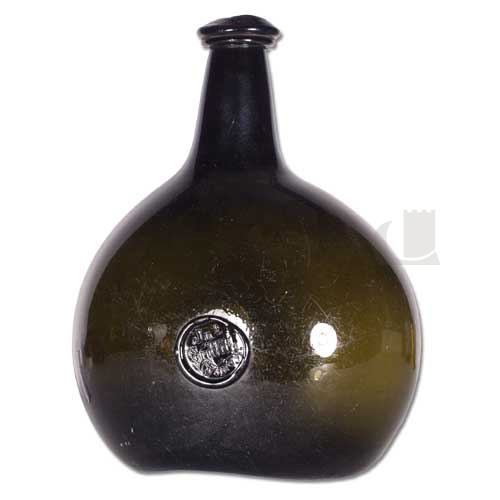
" would not have been the term of the day.I could handle pottery, but leather? Come to think of it, I drank a few bottles at college football games out of my Spanish leather Bota bag. But of course the modern version has a plastic lining. It must have been a stunning advancement to serve wine from the first glass bottles. That would have been an easy sell when they were introduced around 1600 AD.
Now we are into the next generation of bottling wine. Plastic that is. The problem with PET( polyethylene terephthalate) as with all plastic, is to keep oxygen out of the bottle. And we all know what O2 does to your wine. Constar, a US company, has developed a product that can be added to PET to effectively bind oxygen and thus solving that problem. Light in weight and virtually indestructible, plastic bottles do have some advantages. I was just getting used to screwcaps but my wine in plastic? Wolf Blass with their yellow label, pictured here, apparently has no problem. But hold on, if weight reduction to lower shipping costs and save energy is the issue then how about this approach? Lightweight bottles, weighing in at 300g instead of the 500g for a standard wine bottle is now used in Britain. "Constellation Brands will assess the feasibility of bottling more wine in the UK using lightweight bottles" Wouldn't you know it? Assess the feasibilty? Constellation is the number one producer and marketer of wine in the world and cutting costs is part of their succes. So you wonder if the environmental issue is just a good way to increase profits. Just how much of this cost saving will be passed on to us, the consumer? I'll just keep pulling corks out of one of my cellared, bottled in real glass, wine for now.


It is white wine's turn in the limelight for healthful benefits.