Tuesday, September 26, 2006

Bottle Shock...!

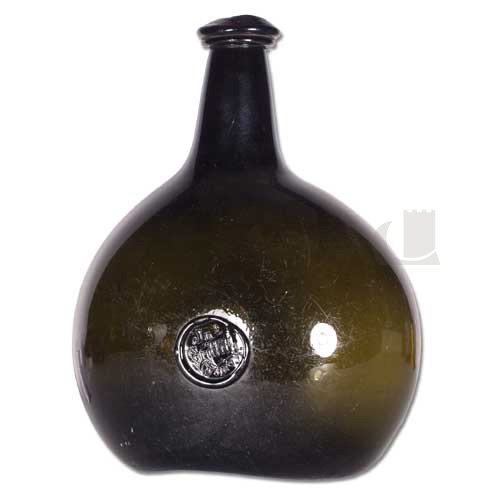
Are you ready for the next evolution in wine bottles? Way back when....... wine was bottled in leather or pottery. Although" bottled " would not have been the term of the day.I could handle pottery, but leather? Come to think of it, I drank a few bottles at college football games out of my Spanish leather Bota bag. But of course the modern version has a plastic lining. It must have been a stunning advancement to serve wine from the first glass bottles. That would have been an easy sell when they were introduced around 1600 AD.


Now we are into the next generation of bottling wine. Plastic that is. The problem with PET( polyethylene terephthalate) as with all plastic, is to keep oxygen out of the bottle. And we all know what O2 does to your wine. Constar, a US company, has developed a product that can be added to PET to effectively bind oxygen and thus solving that problem. Light in weight and virtually indestructible, plastic bottles do have some advantages. I was just getting used to screwcaps but my wine in plastic? Wolf Blass with their yellow label, pictured here, apparently has no problem. But hold on, if weight reduction to lower shipping costs and save energy is the issue then how about this approach? Lightweight bottles, weighing in at 300g instead of the 500g for a standard wine bottle is now used in Britain. "Constellation Brands will assess the feasibility of bottling more wine in the UK using lightweight bottles" Wouldn't you know it? Assess the feasibilty? Constellation is the number one producer and marketer of wine in the world and cutting costs is part of their succes. So you wonder if the environmental issue is just a good way to increase profits. Just how much of this cost saving will be passed on to us, the consumer? I'll just keep pulling corks out of one of my cellared, bottled in real glass, wine for now.




Saturday, September 09, 2006

The Future is Almost Here...!


So my little Robot friend, tell me what grapes are those on my backyard vines?

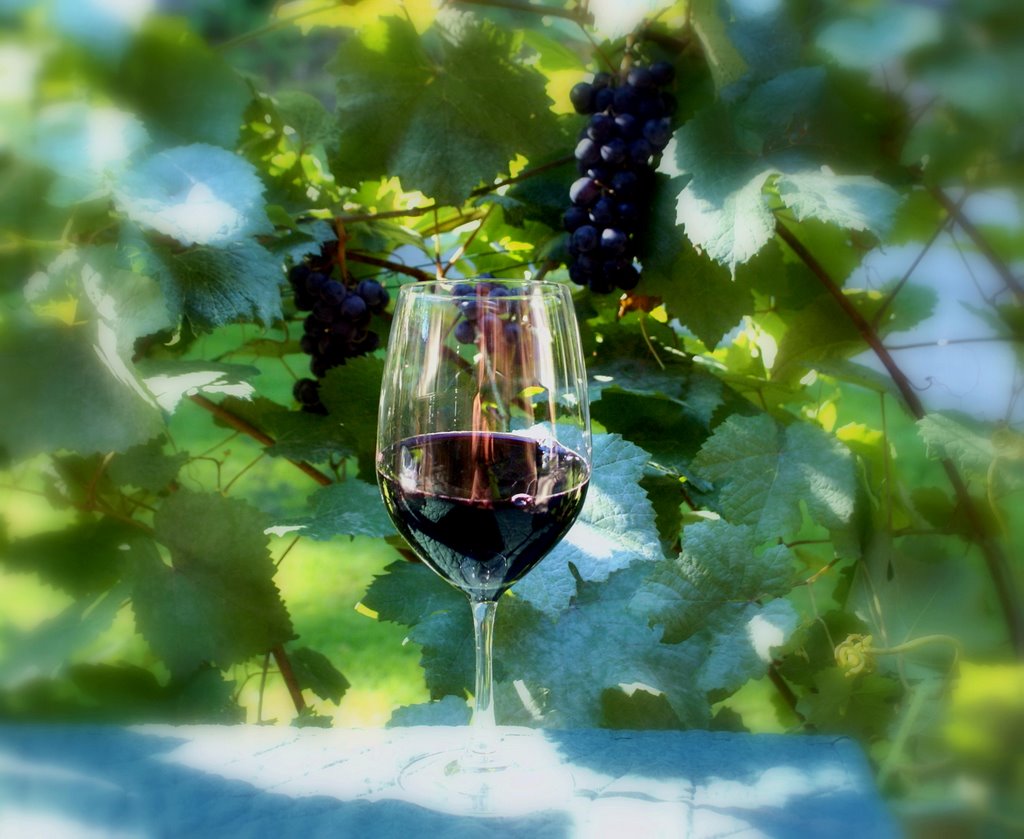
In my previous post on Wine Critics etc., I was under the impression that we would be looking for these little creatures to show up in 4 to 5 years.It now seems that wine robots will become a reality much sooner than first anticipated.Endo and his research team are looking for someone to bring them to market now. Sounds good to me, but I still want to wait for the little hand held edition I pictured in my previous blog. I can't quite see myself carrying a little robot to my tastings. So in the meantime can anyone identify the grapes in my backyard vineyard? Well guess what? I am having a blast with my new camera and those are table grapes I bought at the supermarket and then hung on my vines.Anything to show off my pictures. Initial reports show we are in for another good harvest around the globe. So no shortage of good wines coming up. Happy drinking and in the meantime Mr. Endo may I suggest you get in touch with Rockstar Marketing.

Wednesday, August 23, 2006

To Your Health....!!!

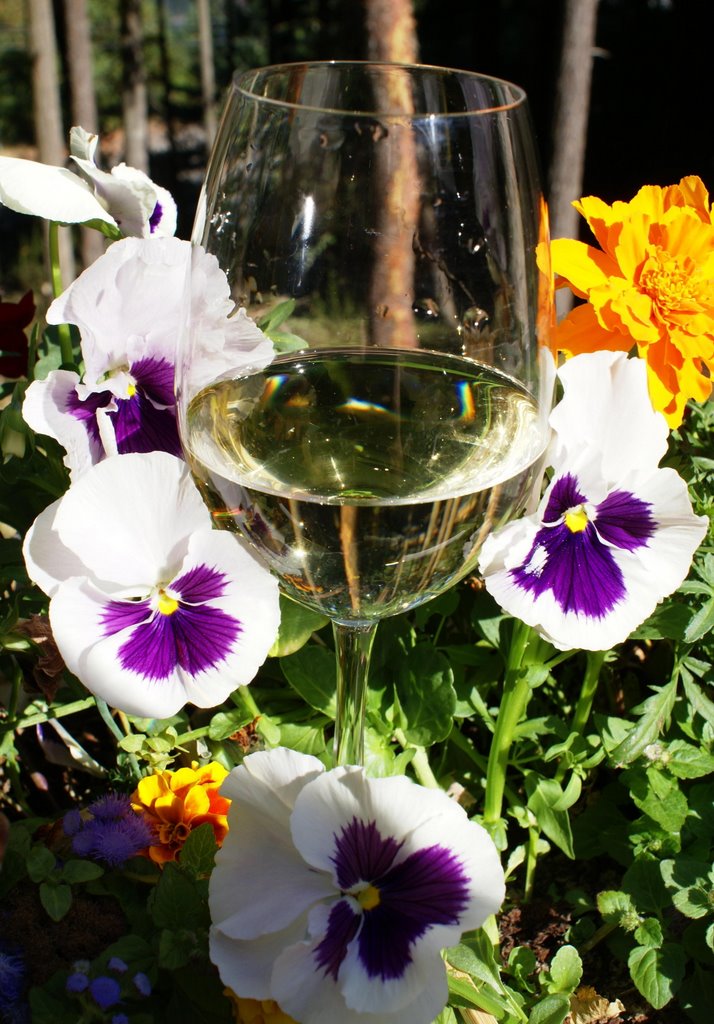
It is white wine's turn in the limelight for healthful benefits.
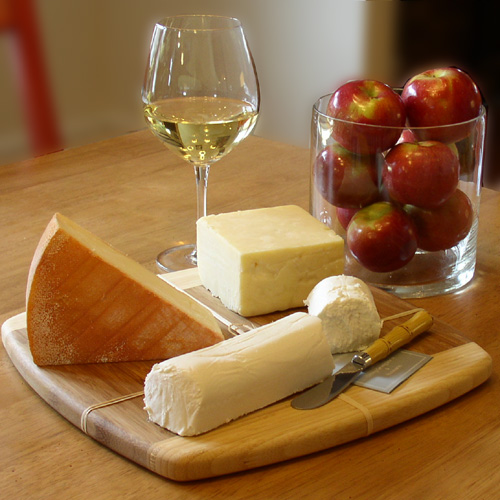
Be sure to click on the image and enlarge it to see how white wine can reflect the fragrance of flowers, the freshness of a bright spring morning and the intensity of a glorious summer day.
"Wine is the most healthful and hygienic of beverages" Louis Pasteur (1822-1895), French scientist

"I think a tax on wine, is a tax on the health of our citizens" Thomas Jefferson

Only when the television news magazine "60 Minutes" reported in November, 1991, the phenomenon that has come to be known as the French Paradox, did popular thinking of wine as medicine rather than toxin begin to return. Typically, the diet of people in Southern France includes a very high proportion of cheese, butter, eggs, organ meats, and other fatty and cholesterol-laden foods. This diet would seem to promote heart disease, but the rate there was discovered to be much lower than in America; herein lies the paradox. But red wines suddenly were the latest way to a healthy life style. A significant amount of research since then has shown the benefit of consuming red wine in particular.
It was the advent of modern medicine, especially the discovery of penicillin and subsequent other antibiotics that put wine on the back shelves as a medical treatment. Hippocrates , the "Father of Medicine" around 400 B.C. in his Corpus Hippocraticum, showed how wine played a significant role in these treatises of antique medicine. The largest pharmacological work of antiquity was written by a Greek army surgeon,Pedanius Dioscorides, in the service of the Roman emperor Nero. De Materia Medica consisted of five volumes and was written in the first century A.D. Both of these extensive works remained authorative for western medicine for almost a thousand years.
Now the latest research tells us that lovers of white wine no longer have to worry about not getting the healthful benefits that their red wine drinking friends have been enjoying.
All I can say to that is "A votre sante", "Salud", "Prosit", "Noroc", "Campai" and "Noroc"or in any other language I raise my glass and here is to your good health.

Thursday, August 10, 2006

A WORLD WITHOUT WINE CRITICS....and WRITERS!!


At last, be your own critic and be right every time. Forget the point systems. Wine lovers everywhere will be able to do on the spot computerized tastings and find the wines they like without actually consuming them. Sounds like some fictional, futuristic dreaming? Its closer than you think. I am in possesion of a personal prototype. The picture you see of the handheld computerized tasting tongue has only been altered slightly to protect the .....well the wild imagination of some dreamers like myself.

Have we not all wondered how come we can't detect that hint of bacon wrapped baked pear on the nose? Or tasted that kiwi tinged streak of lime marinated mango? Please, will someone tell me how you do that?

"Human sensory tests are regularly employed in the food and beverages industries, but results are based on subjective judgements and variations between panels can be up to 50 per cent in terms of flavour units. Therefore, the development of 'objective' tools to detect taste is very much needed," said the researchers in a joint UK-Us venture. Wow, 50% folks, that is enough to make you wonder whether what you read or hear about a wine is really what you'll experience when you attempt to taste the wine yourself. This scientific approach is based on surface acoustic wave (SAW) sensors.Imagine dipping your little probe into a glass of wine with a predetermined taste profile set to your own preferences.
Meanwhile another group of scientists have figure out how we perceive all that crisp sour ( acid in wine of course)
Japanese researchers not to be outdone, have produced a robot that will tell you what grapes are in your wine. Aha!! I thought I could detect Viognier in that Shiraz.
Now if the ladies and gentlemen of the scientific community could all get together, pool their knowledge and come up with my futuristic handheld computerized tongue, I can go to the next big tasting of 100+ wines, set my parameters and I'll be able to pick my winners in no time at all. Then of course I can get to some serious tasting. One day soon I will wake up from my dream and read in my favourite wine column ( my own perhaps), that the future is here. The fully loaded models will of course allow you to listen to your music, take pictures and will have a cell phone component. But wait....not to open another can of worms, but the Aussies think they have the answer and have come up with another sniffer. So now you will have a choice, your PPPP (Personally Programmed Proboscis Probe) or your PPPW (Personal Pack of Pet Worms)
In the meantime lest we forget, the best wine is still the wine that you like.

Tuesday, July 25, 2006

The Greedy and the Greedier!

I have always been under the impression that wine was a gift from God and that a talented winemaker would take the fruit of the vine and create one of life's greatest pleasures. Good food, good wine and good company. Is there anything better?

At the wedding feast in Cana everyone had a blast and to top it all, the price of the wine was great.
"It was such a wonderful wedding feast! The music, the dancing, the food and wine."
Everyone ate, drank and was merry.
And up untill the 1970's some of the greatest French wines could still be bought at reasonable prices.

Then along came Parker and his 100 point rating system. His proclamation on the 1982 vintage
not only put him in the wine world limelight but also started a significant increase in wine prices. Any one lucky enough to have him review and rate a wine 90+. was on their way to wealth and fame. But even Robert is getting a little uncomfortable with the greed displayed by the Bordeaux elite. There seems to be no sanity in the outrageous prices top chateau are demanding for their 2005 vintage wines. Chateau Petrus has smashed all records. Who in their right mind would pay 1600 EUR or 2012 US dollars for a single bottle of the 2005 Petrus? Now if you are between 30 and 40 years of age, you'll probably live long enough to enjoy it. But if you are 50, 60 and up, chances are you might not be around when it finally finishes aging. Seems a little crazy to pay this much for a wine you won't be around to enjoy. But if you are buying it just so you can make the big bucks..... well I guess greed could be a factor at play. But all good things eventually come to an end. At the lower end of the Bordeaux wine spectrum things aren't going too well. Too much wine, and talk about crazy prices. Good for the consumer? Not really. These extreme price variations will hurt a lot of good people who are just using their God given talents to bring us the fruit of the vine, the fruit of their hard labour.
" Wine: soil, sun, rain, and the hand of man."
Author Unknown


Wednesday, July 19, 2006

Global Warming Update.

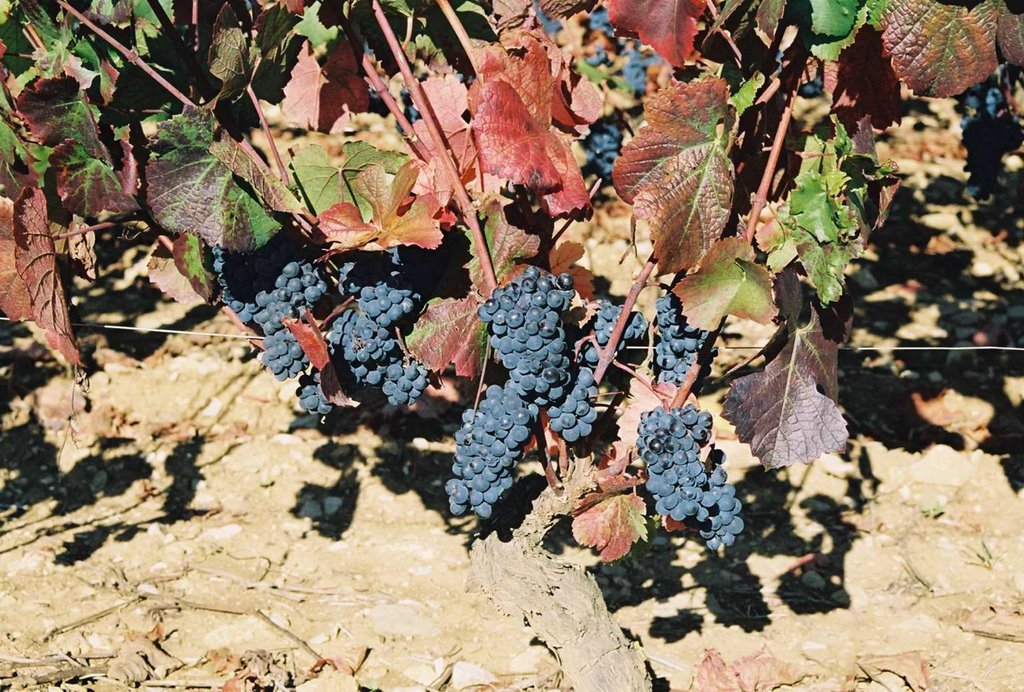
This is what excessive heat can do to vines and soil. Also in my previous post I forgot to link to the article on global warming for those really into the scene. So here it is this time. I guess the heat is getting to me. Enjoy the summer!


Global Warming Gives Greenland Grape Growers...a golden opportunity to produce medal winning wines!


Glolbal warming is raising hopes for British wine makers to produce world class red wines.
Hotter weather boosts British red wine!
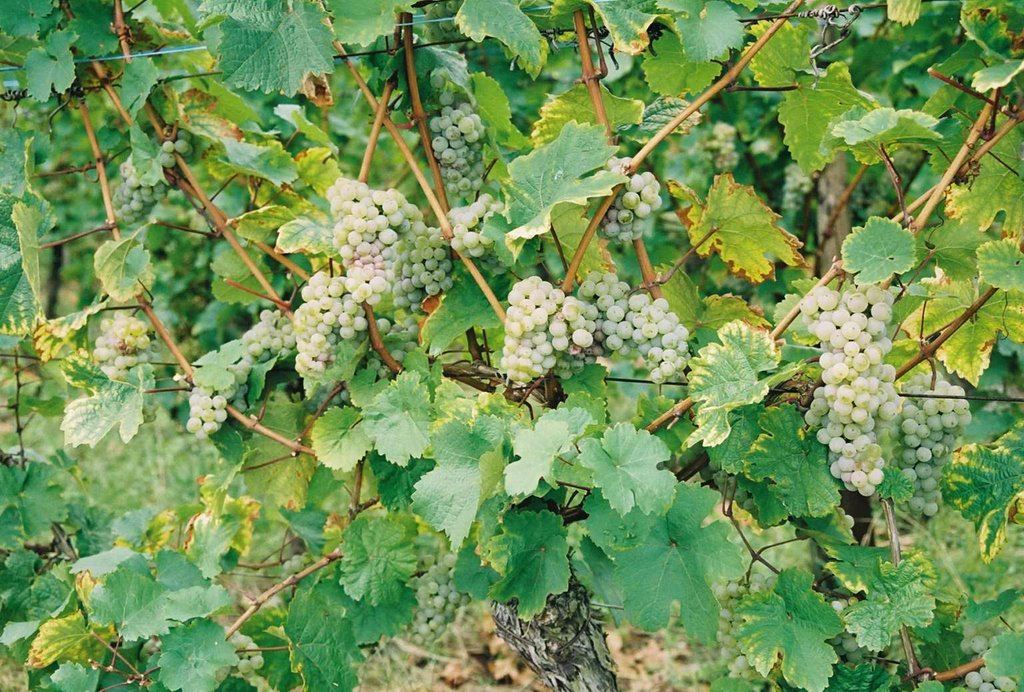
"British red wines could soon be competing with the finest French clarets as global warming leads to perfect growing conditions in southern England". According to UK NEWS English vineyards are benefitting from new higher summertime temperatures. But then a thousand years ago Europe was enjoying warm temperatures and grapes were thriving in British vineyards. (click on the cool wheather grapes picture I took in Alsace to enlarge it and see what soon may become a good grape,Gewurztraminer, for colder climates.) It takes years to develop a new grape varietal. New York State's Cornell University has recently released three new wine grapes ideal for their harsh winter conditions. But it takes decades to produce new suitable varietals. Spanish vintners on the other hand are becoming concerned with the new warming trends and wineries may move into the cooler Pyrenees. Similarly California vintners are showing concern. Since vines can be productive for well over fifty years, new varieties need to be developd for these hotter grape growing regions. Better grapes for New York, better grapes for California, lets see.... perhaps its time to pick up some cheap acreages in Greenland. For those who are deep into the pros and cons of global warming have a look at this (albeit lenghthy and possibly dated) report.

Friday, June 30, 2006

No Screwcap for this Big Beautiful Bottle...of wine!!


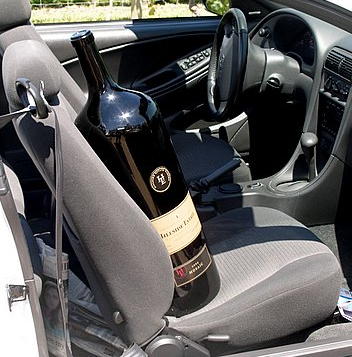
The debate about which is the best bottle closure continues. But you wont find a screwcap on this Nebuchadnezzar sized botle anytime soon.

In a recent extensive survey by Wine Business Monthly, it was found not surprisingly, that natural cork remains the closure of choice but screw caps are reaching parity with other alternatives. The oxidative quality of cork and the possible reductive potential of screwcaps continue to be an issue wine makers struggle with.

Eventhough screwcaps have become much more acceptible by the wine consuming public in North America, it is still not the closure of choice in most European wine regions. A smart new way to stopper a wine bottle that is making inroads is the ZORK closure from Australia. ZORK is a revolutionary new wine closure that seals like a screw cap and pops like a cork. An interesting video on the Zork closure can be seen at this site. A delightful Cabernet Sauvignon under Zork is the Red Knot Cabernet Sauvignon 2004.
The good thing of course is that when all this closure problem is sorted out we'll find that there will be a host of new and effective ways to close our favourite wines. In the meantime as Jancis Robinson, one of my favourite wine writers, states "I feel sure we are far from throwing away our corkscrews."

Sunday, June 18, 2006

Global Grape Glut continues to be a problem....


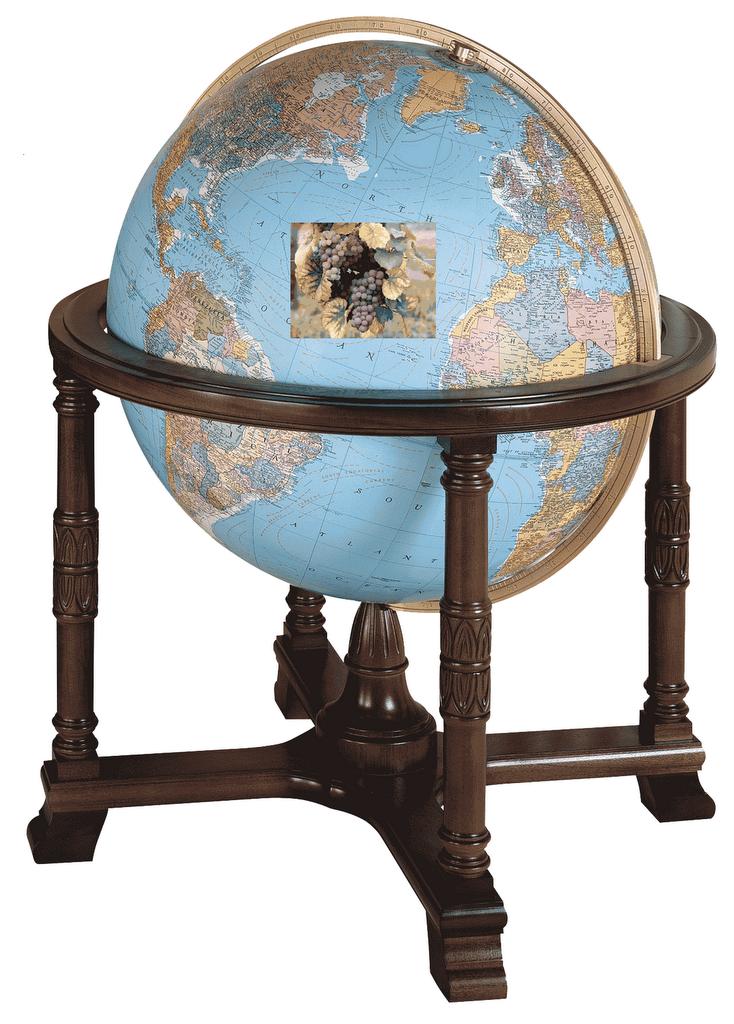
Please click on globe to get larger image.

Australia is suffering from an overproduction and growers fear the worst. The great glut is lowering wine prices and is even affecting New Zealand markets. The continued over production in Europe has created an estimated 1.5bn litres of surplus wines. The European comision has dished out millions of Euros bailing out the industry by converting unsold wine into industrial alcohol. It is expected that over 500 million litres of excess wine will be converted to bio-fuel. Sweeping changes, which will include ripping out vineyards are on the horizon. Years of huge production subsidies has created an imbalance between EU wine supply and demand creating excessive surpluses that could not be readily sold. A major shake-up is required.

Australian growers had hoped for a $60 million sbsidy plan but agriculture minister Peter McGauran rejected any bailout for struggling growers or winemakers. Similarly no plan to convert excess wine into ethanol is contemplated. Consumers are celebrating low prices while they last. New markets are needed and Australia may have found help in the new emerging affluent middle class in China. Extensive vineyard plantings in China and India may be the next contributor to another world glut. In the meantime smart marketing but above all good quality wine production is the key to success in getting attention from wine consumers around the globe. As always there is so much good wine and so little time. But I am trying my best. Cheers.

Monday, June 05, 2006

King Tut to Tetra Pak...!!


King Tut was a tippler and it turns out he liked white wines.
( Most pictures in my blog can be enlarged by clicking on the images. Try clicking on Maddie in my previous blog and you'll see what I mean )

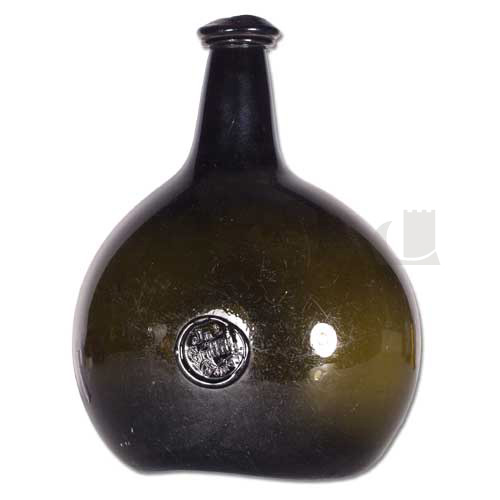
According to researchers at the University of Spain in Barcelona, a research team discovered amphoras believed to have contained white wine. King Tut was sent off to the hereafter with both white and red wines. Wine amphora and wine scenes as pictured above have been found in Egyptian tombs as far back as 3150 BC.
Fast forward about 5000 years and we arrive at BIB's (Bag in the Box or as the Aussies call them Chateau Cardboard)
Wine companies such as Boisset from France and the Centerra wine company with the Vendange series from California claim to be having a measure of success in traditional markets. But really now, BIBS and Tetras might be fun and great for the patio and out among the Ponderosa pines, but would you really bring them out and plunk them on the dinner table while serving an elegant dinner for your guests, or with your Christmas and Easter dinners ? Do I hear dissenting voices? On the positive side, read Nick Lees article in Canada's Wine Access Magazine about the quality of boxed wines.
Help may be on its way, if you like your wine in a bottle . A UK mineral water company has launched the first biodegradable bottle. Now you won't even have to take those bottles back for a refund. They'll self destruct in no time. Of course mineral water and wine are quit different in their chemical composition. It remains to be seen whether the problem of the acidic nature of wine prematurely dissolving your bottle can be overcome. You wouldn't want that to happen before the wine has had a chance to age at least 3 months. What's next? Its summer, enjoy your wine in whatever vessel you prefer.